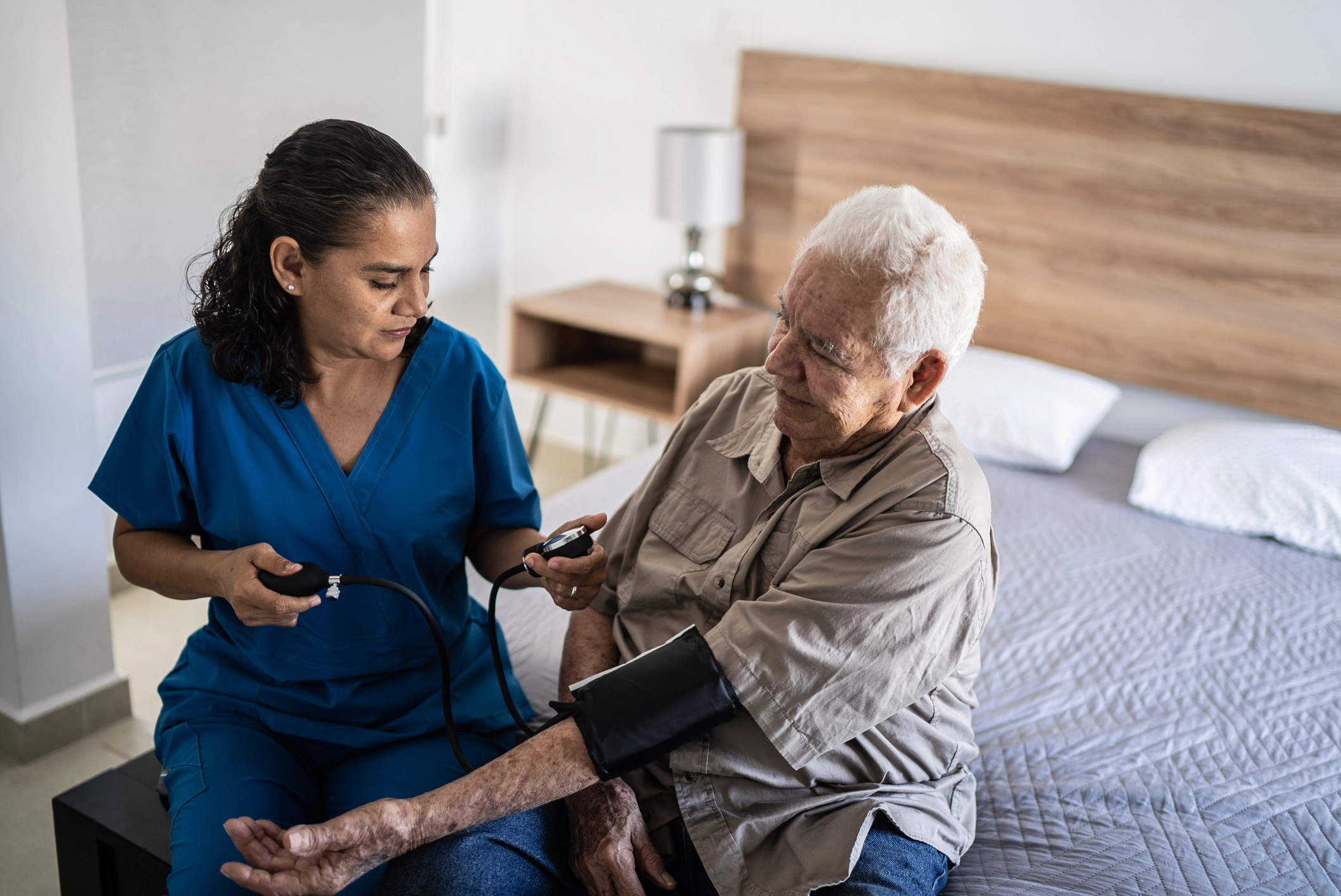
Home health services are designed for patients who need skilled care while remaining safely in the comfort of home. In order to qualify, patients typically must meet several Medicare-supported criteria, including being homebound, requiring intermittent skilled services, and being under the care of a physician with an established plan of care.
A patient may be appropriate for home health when there is:
These indicators often point to a need for skilled nursing or therapy services, even when it may not be immediately obvious.
A diagnosis alone does not automatically qualify a patient for home health services, but it should clearly support the need for skilled intervention.
Common diagnosis categories that may support eligibility include:
The diagnosis should clearly identify the underlying condition, be as specific as possible, and support the need for skilled nursing or therapy services.
The strongest referrals connect symptoms to the underlying medical condition.
For example:
Instead of documenting repeated falls, stronger clinical alignment may point to diabetic neuropathy.
Instead of low back pain, a more specific diagnosis such as lumbar spinal stenosis provides stronger support for skilled services.
Instead of abnormal gait, identifying a neurological or musculoskeletal cause such as hemiplegia post-CVA strengthens the referral and plan of care.
This level of specificity helps ensure compliance while supporting better clinical outcomes.
Home health eligibility also requires proper documentation, including a qualifying face-to-face encounter and clear clinical support for the skilled need.
Important compliance reminders include:
At Benchmark, we work closely with physicians, referral partners, and families to ensure every patient admitted for home health services meets compliance standards while receiving thoughtful, high-quality care.
Our goal is simple: make sure patients are appropriately supported, eligible for services, and positioned for success at home.
Whether you're exploring care options for a loved one or need assistance with any questions, we're here to help.