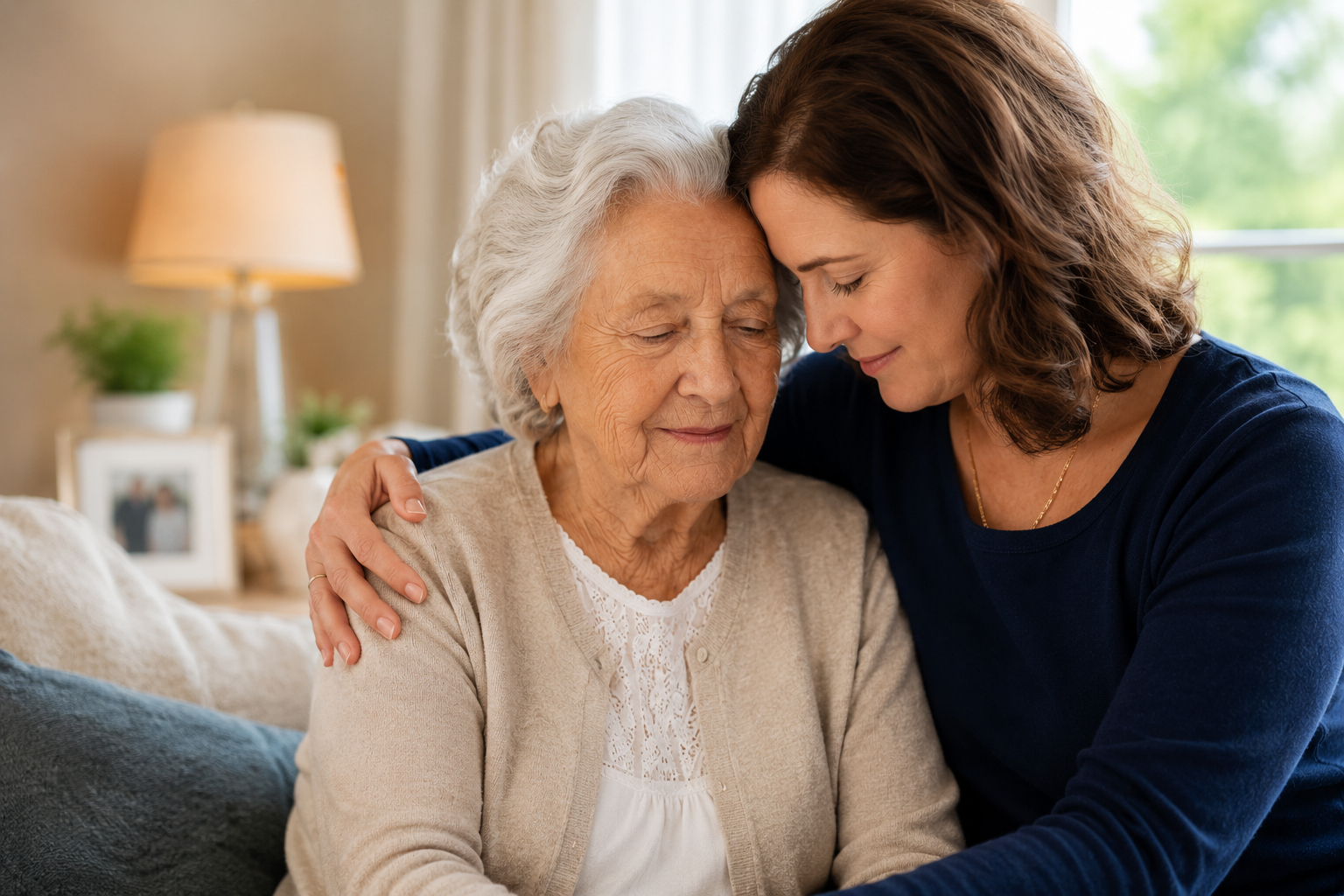
Caring for a loved one with dementia can be one of the most emotional and physically demanding journeys a family will face. As memory, communication, and daily function decline, families are often left trying to understand what is happening, what comes next, and how to provide the right kind of care.
At Benchmark Hospice, we support patients and families through the later stages of dementia with comfort-focused care, caregiver education, and steady guidance. Our goal is to help families feel informed, supported, and never alone throughout the care journey.
Dementia is a progressive condition that affects memory, communication, behavior, and the ability to complete everyday tasks. In the later stages, the changes can become more noticeable and more difficult for families to manage at home.
A person with advanced dementia may experience:
These changes can be overwhelming, but they are often part of the natural progression of advanced dementia.
Hospice care focuses on comfort, dignity, and quality of life when a condition has progressed and restorative treatment is no longer the primary goal. For patients with advanced dementia, hospice can provide support that helps manage symptoms, reduce distress, and improve comfort at home.
Benchmark Hospice may help through:
Hospice care is not only for the patient. It also surrounds the family with guidance and support during a difficult season.
Caregiving for someone with dementia can be exhausting. Families often experience stress, grief, uncertainty, and isolation as their loved one’s needs increase.
Common caregiver concerns may include:
Benchmark Hospice helps caregivers better understand the disease progression, ask questions, and feel more prepared for each stage of the journey.
As dementia progresses, the focus of care often shifts toward comfort, dignity, and quality of life. Hospice helps families make that transition with support and reassurance.
Comfort-focused care may include:
The goal is to help patients feel safe, comfortable, and cared for while helping families feel less alone.
Families often wonder when it may be time to consider hospice care. A patient with dementia may be appropriate for hospice when there is significant decline and increasing support is needed.
Signs may include:
If you are unsure whether hospice may be appropriate, a conversation with the Benchmark Hospice team can help provide clarity.
Watching a loved one decline from dementia is deeply difficult. Families should not have to navigate that journey without support.
Benchmark Hospice is here to provide comfort, education, and guidance for both patients and caregivers. Through personalized care, clear communication, and compassionate support, our team walks alongside families every step of the way.
The care you deserve
Whether you're exploring care options for a loved one or need assistance with any questions, we're here to help.